White Earth Nation Suspends Moorhead Casino and Hotel Project
Written by Viktor Werner · Aug 25, 2026

White Earth Nation Suspends Moorhead Casino and Hotel Project
The White Earth Nation has paused its planned $176 million casino and hotel development in Moorhead, Minnesota, as leadership divisions, infrastructure shortfalls, and financial considerations converge on the project.
Observers note that the decision, reported in August 2026, leaves the nearly 300-acre site under tribal ownership while the federal trust application remains active though without recent movement.
Background on the Proposed Development
The project envisioned a casino and hotel complex on land acquired by the White Earth Nation, with the tribe pursuing federal trust status to enable gaming operations under the Indian Gaming Regulatory Act. Data from a 2025 economic study projected 1.1 million annual visitors, $25 million in yearly tax revenue for local governments, and hundreds of new jobs once the facility reached full operation. Those projections positioned the development as a significant economic driver for the Moorhead area, which sits across the Red River from Fargo, North Dakota.
Reasons for the Pause
Leadership splits within the White Earth Nation have contributed directly to the suspension, with internal disagreements over project direction creating delays that compound other unresolved matters. Infrastructure challenges include the need for funding an I-94 interchange to improve site access along with questions surrounding water capacity to support large-scale operations. Financial risk assessments have raised concerns about potential impacts on the tribe's existing casino properties, prompting a more cautious approach before committing further resources.
Researchers familiar with similar tribal projects point out that such pauses often occur when multiple variables, including regulatory approvals and capital requirements, fail to align within expected timelines. The combination of these factors led tribal leaders to halt advancement rather than proceed under uncertain conditions.
Infrastructure and Regulatory Hurdles
Access improvements tied to the I-94 corridor represent one of the most visible infrastructure gaps, as the current road network does not provide adequate entry and exit options for the scale of traffic a major casino would generate. Water capacity studies have not yet confirmed sufficient supply for both the casino operations and surrounding community needs, leaving another critical element unresolved. The federal trust application process, administered through the Bureau of Indian Affairs, continues in active status, yet no updates on environmental reviews or land-into-trust determinations have emerged in recent months.
According to information from the Bureau of Indian Affairs, applications of this type typically require extensive documentation and coordination with multiple agencies, which can extend over several years depending on site-specific factors.
Projected Economic Impact
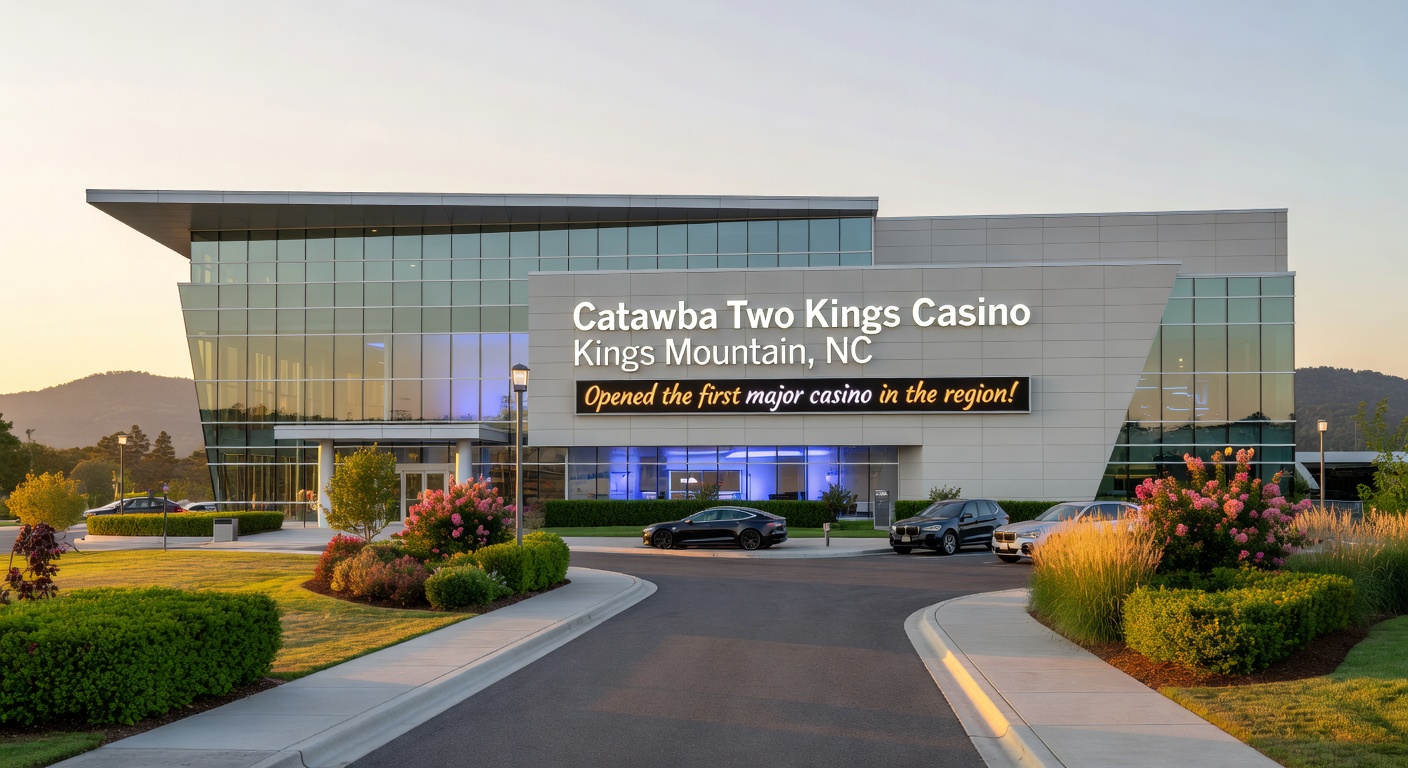
The 2025 economic study outlined clear benefits that would have accompanied project completion, including substantial visitor numbers and tax contributions to Moorhead and surrounding Clay County. Employment estimates reached into the hundreds across hospitality, gaming, and support roles, with indirect effects expected in retail and transportation sectors. Those figures reflected standard multipliers used in regional economic modeling for gaming facilities of comparable size.
Yet advancement remains uncertain, and the pause means those projections stay on hold pending resolution of the identified issues. Local governments had begun preliminary planning around the anticipated revenue streams, though no binding commitments were finalized before the announcement.
Current Status of the Site and Application
The 300-acre parcel stays in tribal ownership, preserving the tribe's options for future development or alternative uses. No construction activity has begun, and the federal trust application has not advanced to a decision point. Tribal representatives have indicated that the pause allows time to address internal governance matters and secure necessary infrastructure agreements with state and local partners.
Similar cases tracked by the U.S. Government Accountability Office show that tribal gaming projects frequently experience extended planning phases when infrastructure and financing elements require additional negotiation.
Conclusion
The White Earth Nation's decision to pause the Moorhead casino and hotel project reflects the intersection of governance, infrastructure, and fiscal considerations that shape large-scale tribal developments. With the site remaining under tribal control and the trust application still pending, the path forward depends on progress in those specific areas. The 2025 economic projections provide a reference point for potential outcomes, but realization of those benefits now hinges on future resolutions that have not yet materialized.