Verification Systems Directing Progressive Reward Access in Handheld Casino Environments
Written by Amir Powell · Jun 14, 2026
Verification Systems Directing Progressive Reward Access in Handheld Casino Environments
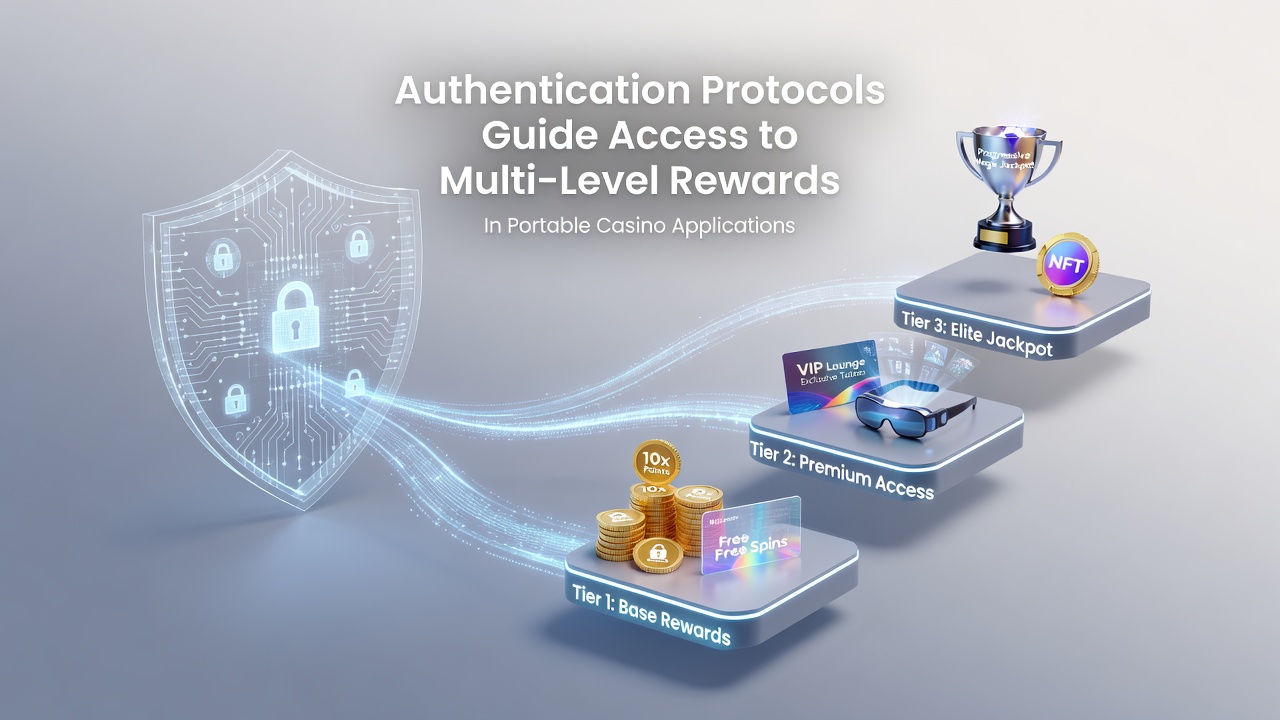
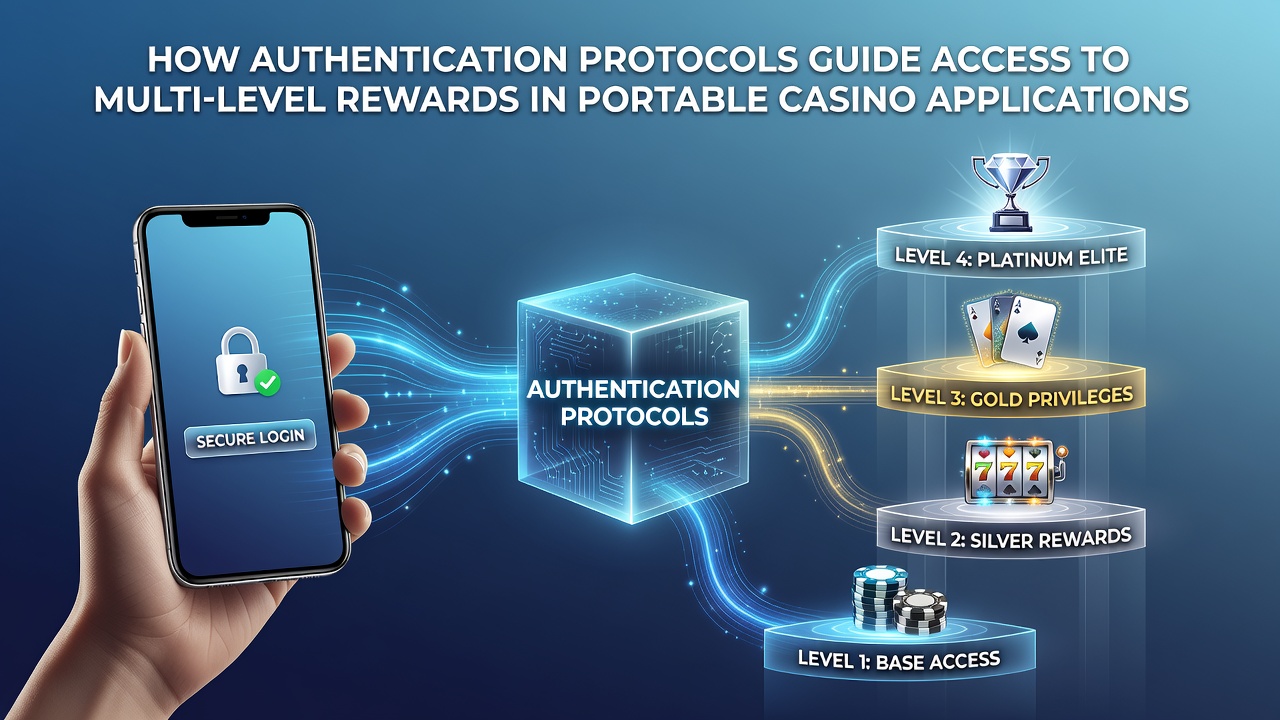
Authentication protocols form the backbone of access control in portable casino applications, where they determine which players reach specific reward tiers based on verified identity and activity patterns. These systems rely on layered verification methods including passwords, biometrics, and device tokens to segment users into bronze, silver, gold, and platinum levels, each unlocking distinct incentives such as free spins, cashback percentages, and exclusive table game entries.
Core Components of Mobile Authentication Frameworks
Portable casino platforms integrate multi-factor authentication that combines something users know with something they possess or something they are, creating barriers that prevent unauthorized progression through reward structures. Data from regulatory filings shows that applications employing two-factor verification see reduced instances of account sharing, which in turn stabilizes the allocation of tiered benefits across verified accounts. Experts note that token-based systems refresh access credentials periodically, ensuring that reward pathways remain tied to active sessions rather than static logins.
Biometric options such as fingerprint and facial recognition add speed to daily logins while maintaining security standards required by licensing bodies. Research indicates these methods lower friction for high-frequency users who accumulate the playthrough metrics needed for tier advancement, yet they still require periodic re-verification to confirm ongoing eligibility for elevated rewards.
How Protocols Segment Reward Tiers
Entry-level bronze status typically activates after basic email and phone confirmation, granting modest daily login bonuses and limited spin packages. Silver tier demands additional identity document uploads plus a minimum deposit history, which authentication engines cross-check against transaction records before releasing enhanced cashback rates. Gold and platinum levels incorporate behavioral analytics alongside continued verification, tracking login consistency and wager volumes through secure API calls that flag anomalies in real time.
Observers point out that once a player meets the thresholds, the system issues a new access token that gates the higher benefits, preventing lower-tier accounts from bypassing these controls. In June 2026 several platforms updated their token expiration policies to align with refreshed compliance guidelines, tightening the window during which accumulated rewards stay available without re-authentication.
Integration with Payment and Activity Tracking
Payment gateways feed directly into authentication databases, so every verified deposit updates a player's standing and triggers automatic tier reviews. Those who've examined platform architectures find that this linkage ensures reward releases happen only after successful authentication events, reducing disputes over missing incentives. Application logs reveal that failed verification attempts temporarily freeze reward claims until the user completes secondary checks, maintaining integrity across all levels.
Device fingerprinting works alongside traditional credentials to detect when accounts attempt access from new hardware, prompting additional challenges before elite benefits activate. This approach, documented in industry technical papers, helps platforms enforce geographic and behavioral rules that accompany certain high-value rewards.
Regulatory Influences on Protocol Design
Licensing requirements from bodies such as the New Jersey Division of Gaming Enforcement mandate auditable authentication trails that link every reward distribution to a verified user identity. Similar expectations appear in Canadian provincial frameworks, where operators must demonstrate that tiered promotions cannot be accessed without completing prescribed verification steps. These rules shape how portable applications structure their backend logic, ensuring reward pathways remain compliant while still feeling seamless to end users.
Academic analyses from institutions tracking digital gambling trends highlight that robust authentication correlates with higher player retention at upper tiers, because verified accounts experience fewer interruptions when claiming benefits. Figures released in early 2026 illustrated steady growth in verified mobile accounts across multiple jurisdictions, underscoring the role of these protocols in sustaining long-term engagement with layered incentive systems.
Future Adjustments in Verification Standards
Platform developers continue refining continuous authentication techniques that monitor session behavior without requiring constant user input, allowing reward tiers to adjust dynamically based on real-time risk scores. Those monitoring industry shifts note that such methods could streamline access to platinum exclusives while preserving the security layers that regulators expect. As portable devices incorporate more advanced sensors, authentication will likely evolve further, tightening the connection between verified identity and the precise rewards each tier delivers.
Conclusion
Authentication protocols serve as the gatekeepers that translate verified player data into structured access to multi-level rewards within portable casino applications. Through combinations of biometrics, tokens, and behavioral checks, these systems maintain clear boundaries between tiers while satisfying regulatory demands for traceability. Continued refinement of these frameworks supports both security objectives and the smooth delivery of incentives that keep users engaged across bronze through platinum stages.