Transaction Verification Processes Influencing Game Mode Shifts and Reward Tier Progression in Mobile Gaming Platforms
Written by Viktor Werner · Aug 13, 2026
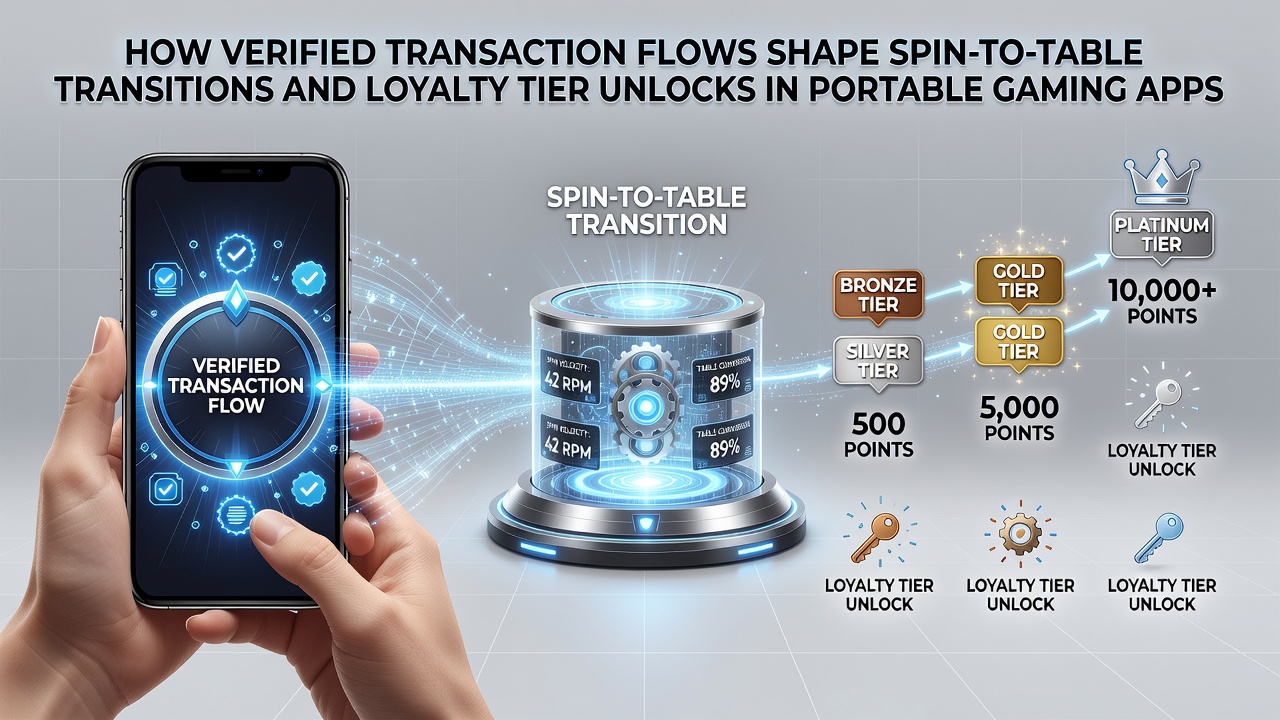
Transaction Verification Processes Influencing Game Mode Shifts and Reward Tier Progression in Mobile Gaming Platforms
Verified transaction flows operate as gatekeepers in portable gaming applications where players move from automated reel spins into live dealer table environments while simultaneously advancing through loyalty structures that unlock escalating benefits. Data from industry tracking indicates these verification steps confirm deposit authenticity, player identity, and fund sources before systems permit access to higher-stakes table formats or elevated reward brackets. Observers note that without completed verification sequences, mobile platforms restrict transitions even when account balances appear sufficient for table play.
Core Mechanics of Verified Flows in App Environments
Portable gaming apps integrate multi-layer verification that processes deposits through banking partners, then cross-checks results against regulatory databases and internal risk models. Once cleared, the system releases funds for immediate use in spin-based games while flagging the account for potential table access once additional criteria such as minimum play volume or verified payment history are met. Research indicates that platforms using real-time verification reduce processing delays from hours to minutes, allowing smoother movement between game categories during single sessions.
Payment protocol standards require documentation of source of funds in many jurisdictions, and those records feed directly into loyalty algorithms that calculate tier eligibility. A player completing a verified deposit of a set amount over consecutive weeks may trigger automatic tier advancement, which then grants table game entry or reduced rake structures without separate applications.
Spin-to-Table Transition Pathways
Transition mechanics rely on verified transaction records to determine when a player account satisfies requirements for live dealer tables. Mobile platforms typically enforce a threshold of completed and verified deposits plus a minimum number of spin sessions before unlocking table interfaces. Figures from regulatory filings reveal that accounts passing verification within the first deposit cycle experience faster table access compared with those requiring manual review.
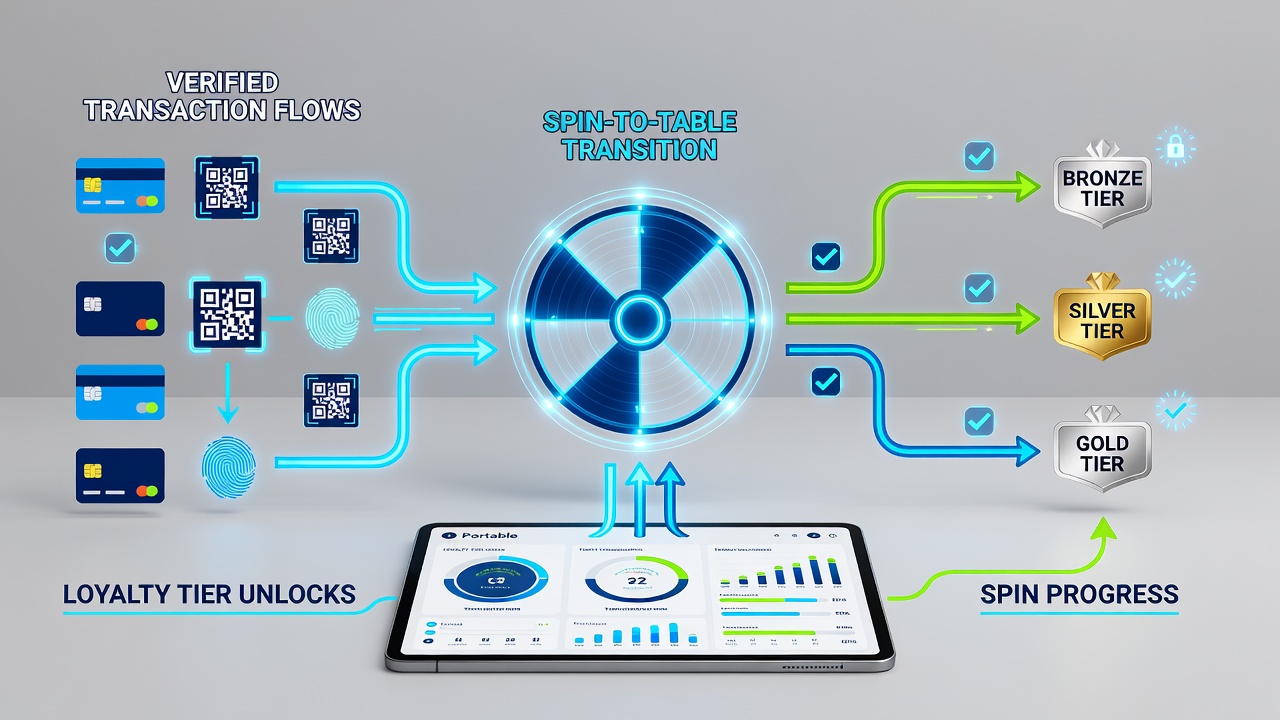
Systems monitor transaction velocity and pattern consistency, then apply those metrics to decide table availability. When patterns align with established risk parameters, the app automatically surfaces table game lobbies within the same interface, preserving session continuity. Industry reports show that verified flows decrease friction during these shifts, resulting in higher completion rates for table entry requests across multiple device types.
Loyalty Tier Unlocks Driven by Transaction Data
Loyalty engines pull directly from verified transaction histories to assign points and tier status. Each cleared deposit contributes a weighted value based on amount, frequency, and payment method security rating. Players reaching defined point totals receive tier notifications that simultaneously open table privileges and additional reward categories such as personalized table limits or expedited withdrawal processing.
According to data compiled by the New Jersey Division of Gaming Enforcement, verified transaction volumes correlate strongly with tier progression speed in state-licensed mobile platforms. Accounts maintaining consistent verified deposits advance through tiers at rates that outpace those relying on unverified or delayed funding methods. The same records also determine eligibility for loyalty-based table game promotions that appear only after tier thresholds are crossed.
Regulatory and Technical Influences on August 2026 Operations
As platforms updated compliance layers in August 2026, verification protocols incorporated enhanced biometric checks alongside traditional payment confirmations. These updates affected transition timing because additional identity layers required extra processing windows before table access activated. Operators adjusted loyalty algorithms to account for the new verification steps, ensuring tier unlocks reflected both financial activity and identity confirmation status.
International Association of Gaming Regulators documentation highlights how portable platforms coordinate transaction verification across borders to maintain consistent tier rules regardless of player location. The resulting uniformity allows mobile users to retain progress when switching devices or regions, provided the underlying transaction flows remain verified and documented.
Conclusion
Verified transaction flows function as the central mechanism determining when mobile gaming accounts gain access to table environments and when loyalty tiers advance. Payment verification records feed directly into access controls and reward calculations, shaping both immediate game transitions and longer-term benefit structures. Platforms continue refining these flows to balance regulatory compliance with seamless player movement between spin and table formats while maintaining accurate tier tracking.