Security Architectures Facilitating Transitions from Reel-Based Games to Live Dealer Sessions on Mobile Devices
Written by Mia Brooks · Jul 26, 2026

Security Architectures Facilitating Transitions from Reel-Based Games to Live Dealer Sessions on Mobile Devices
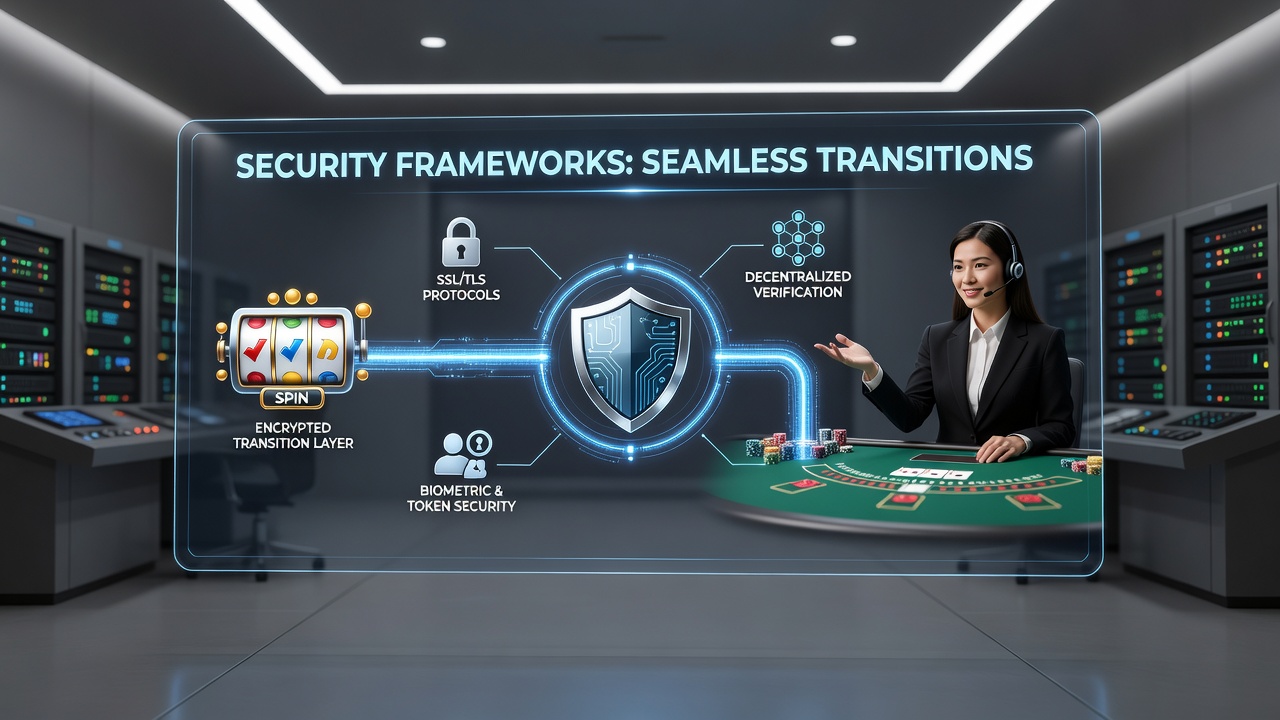
Security architectures in mobile gaming environments rely on layered encryption standards and authentication protocols that allow users to move between reel-based games and interactive dealer sessions without interrupting active connections or exposing transaction data. These systems integrate transport layer security versions such as TLS 1.3 with token-based session controls that maintain continuity across different game interfaces on portable devices. Data indicates that operators deploy these measures to handle real-time handoffs where players shift from automated reel mechanics to video-streamed dealer interactions while preserving account states and balance information.
Core Encryption and Authentication Components
Encryption protocols form the foundation for protecting data flows during game transitions, and researchers have documented the use of advanced cipher suites that encrypt both gameplay metadata adn financial details simultaneously. Authentication mechanisms incorporate multi-factor verification combined with device fingerprinting, which reduces the need for repeated logins when users navigate between reel displays and live dealer feeds. Observers note that biometric options such as fingerprint or facial recognition further streamline access while meeting compliance requirements set by various gaming authorities. As of July 2026, figures from the New Jersey Division of Gaming Enforcement show increased adoption of these combined methods in state-licensed applications, where seamless movement between game types has become a standard expectation for mobile users.
Session Management Across Game Types
Session management tools enable persistent connections that carry player preferences and current game states from reel-based environments into interactive dealer sessions, and these tools rely on secure API gateways to exchange encrypted tokens without full re-authentication cycles. Industry reports highlight how token rotation occurs at fixed intervals during transitions, which limits exposure windows while supporting uninterrupted play on portable devices. Experts have observed that cloud-based session stores maintain encrypted backups of reel spin histories and dealer table positions, allowing quick restoration if network interruptions occur. This approach connects directly to payment verification layers that remain active across both game categories, ensuring deposit and withdrawal functions continue without separate security checks.
Regulatory Alignment and Compliance Standards
Regulatory frameworks from multiple jurisdictions require operators to demonstrate that security measures support fluid transitions without compromising player data integrity, and these requirements include regular audits of encryption implementations and session handling procedures. The Malta Gaming Authority has published guidelines that address cross-game navigation on mobile platforms, emphasizing the need for consistent security postures between automated reel systems and live video dealer environments. Studies from academic sources, including research conducted at the University of Nevada, Las Vegas, have examined how compliance with payment card industry standards integrates with gaming-specific authentication to prevent data leakage during game switches. Those who've analyzed these systems report that operators must maintain separate logging for each game type while using unified security dashboards to monitor transition events in real time.
Practical Implementation in Mobile Platforms
Practical deployments combine secure web sockets with content delivery networks to deliver both reel animations and live dealer streams under the same security envelope, and this setup reduces latency during transitions while upholding encryption standards. Payment gateways stay linked through these architectures so that bonus activations or balance updates carry over without additional verification steps. Data from regulatory submissions reveals that operators in multiple regions have expanded these capabilities to handle higher volumes of cross-game activity on portable devices throughout 2026. What's significant is that the same frameworks also support responsible gaming tools that track play duration across reel and dealer formats without resetting session parameters.
Conclusion
Security architectures continue to evolve to meet the demands of fluid movement between reel-based games and interactive dealer sessions on mobile devices, with encryption, authentication, and session management serving as the primary enablers. Regulatory bodies across different regions maintain oversight through audits and guideline updates that reflect advances in these technologies. The integration of these measures supports operational continuity while addressing compliance obligations in an expanding mobile gaming landscape.