Regulatory Compliance Directing the Flow of Spins and Elite Features in Mobile Casino Systems
Written by Amir Powell · Jun 30, 2026

Regulatory Compliance Directing the Flow of Spins and Elite Features in Mobile Casino Systems
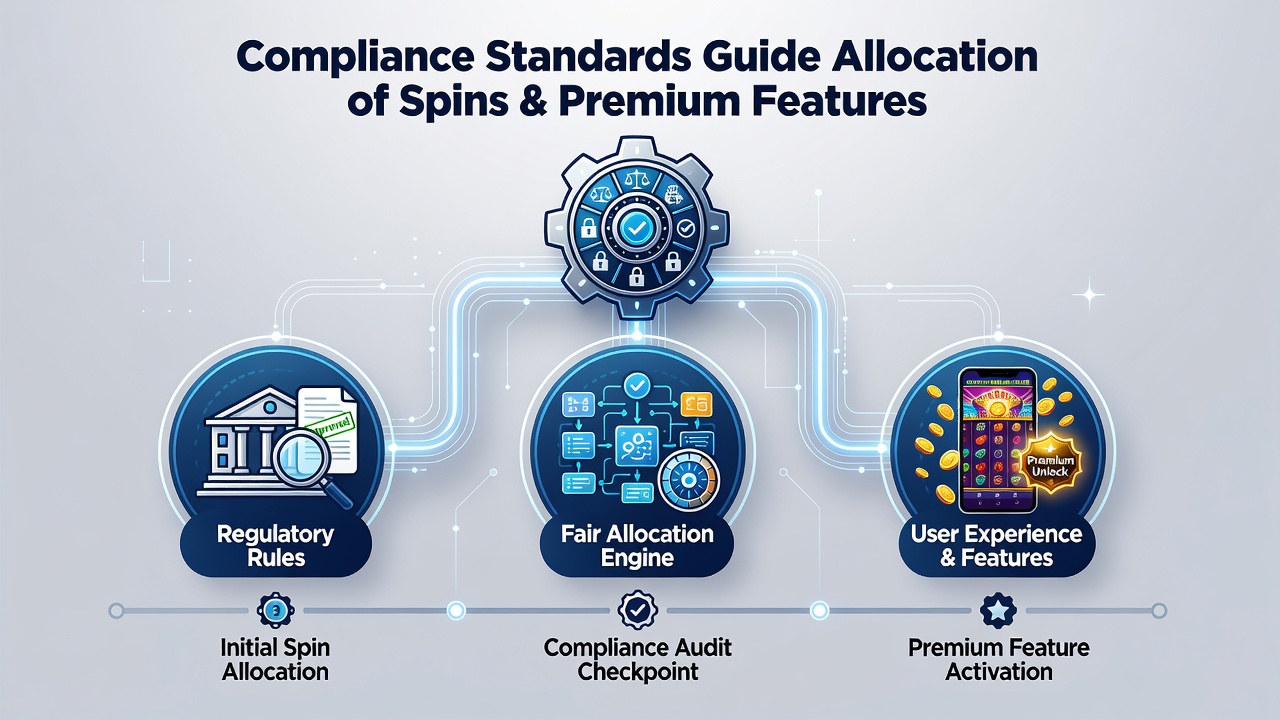
Regulatory frameworks establish clear parameters for how mobile casino operators distribute free spins and premium features to users, and these rules shape every stage of account setup and ongoing play. Standards from various jurisdictions require operators to verify player eligibility before unlocking any promotional mechanics, which means spins often remain unavailable until identity checks clear through approved channels. Data from oversight bodies indicates that such verification steps reduce unauthorized access while channeling rewards toward verified accounts only.
Verification Processes and Their Impact on Feature Access
Know-your-customer protocols and anti-money laundering requirements compel platforms to collect documentation early in the registration flow, and this directly affects when players gain entry to bonus spins or tiered VIP benefits. Operators integrate automated systems that flag incomplete profiles, which prevents spins from activating until records match across multiple databases. Research from the Nevada Gaming Control Board shows consistent application of these checks correlates with lower rates of disputed bonus claims in regulated markets.
Geographic restrictions further refine allocation patterns, because compliance teams block access in regions where local statutes prohibit certain promotions. Mobile applications detect device location through IP and GPS signals, then adjust available spins and premium table unlocks accordingly. Observers note that this location-based filtering creates distinct user experiences depending on where the device connects to the network.
Responsible Gambling Measures Shaping Reward Distribution
Responsible gambling mandates set spending and time limits that influence how many spins operators can offer within a single session or calendar period. Platforms must display these caps clearly and pause reward delivery once thresholds approach, which keeps allocations aligned with player protection rules. Figures from Australian state regulators reveal that enforced limits lead to more measured rollout of free spins across active accounts.
Self-exclusion lists intersect with premium feature systems by automatically revoking access to VIP programs for enrolled individuals. Operators synchronize exclusion databases with their mobile backends, and this prevents accidental delivery of elite benefits to restricted users. Studies conducted by academic research groups confirm that such synchronization improves overall compliance rates in multi-jurisdictional operations.
Regional Regulatory Variations and Allocation Patterns
Different regions apply unique compliance lenses that produce varied spin and feature strategies. In North American markets, state-level rules often tie promotional volume to audited game fairness certificates, whereas certain Asian jurisdictions emphasize transaction monitoring before high-value rewards release. These differences mean the same operator may offer fewer spins in one territory and more structured VIP pathways in another, all while remaining within local legal bounds.
June 2026 brought updated reporting requirements in several Canadian provinces that now demand real-time logs of bonus activations, and these logs must tie directly to verified player risk profiles. Operators responded by embedding compliance scoring into their mobile algorithms, which prioritize spin distribution toward lower-risk accounts first. Evidence gathered by provincial gaming authorities shows this approach maintains regulatory alignment without halting promotional activity entirely.
Technical Implementation of Compliance Rules
Backend systems translate regulatory text into code that governs every spin and feature trigger. Smart contracts and rule engines check player status, location, and limit status before any reward code executes, and this automation reduces manual oversight needs. Industry reports from the European Gaming and Betting Association highlight how standardized APIs allow operators to update compliance parameters quickly when new statutes take effect.
Third-party auditors review these technical controls regularly to confirm that allocated spins match documented policies. Audit findings feed back into allocation engines, which adjust future distributions to close any identified gaps. Those who manage large mobile platforms report that continuous auditing cycles keep reward systems both flexible and defensible under scrutiny.
Conclusion
Compliance standards function as the structural framework that determines when and to whom spins and premium features become available in mobile casino environments. Verification layers, responsible gambling limits, and regional rule sets combine to create predictable yet adaptable allocation pathways. Operators that embed these standards into their core systems maintain operational continuity across shifting regulatory landscapes while meeting documented obligations from multiple oversight entities.