Platform Certification Benchmarks Intersecting with Layered Access Protocols Across Portable Gaming Systems
Written by Amir Powell · Aug 16, 2026

Platform Certification Benchmarks Intersecting with Layered Access Protocols Across Portable Gaming Systems
Portable gaming ecosystems rely on established certification processes that verify compliance with safety, content, and technical benchmarks before applications reach distribution channels, while tiered access mechanisms control user entry through subscription models, age gates, and feature unlocks that shape how players interact with certified content. Researchers tracking industry growth note that these two frameworks operate in tandem, with certification outcomes directly influencing which access tiers become available on devices running iOS, Android, and dedicated handheld hardware. Data compiled by the Entertainment Software Association shows that mobile game revenues exceeded $120 billion globally in 2025, prompting platform operators to refine certification checklists that now incorporate explicit requirements for tiered access controls.
Core Elements of Platform Certification Standards
Certification programs evaluate applications against criteria that include data privacy protections, network security protocols, and content classification systems administered by independent rating boards. Observers note that platforms such as Google Play and Apple App Store maintain separate yet overlapping requirements, where developers must demonstrate adherence to encryption standards and third-party audit trails before receiving approval. In August 2026, several major platform providers updated their certification guidelines to mandate clearer disclosure of in-app purchase structures, aligning these disclosures with existing age rating frameworks used across North America and the European Union. Studies conducted by academic research teams at universities in Canada and Australia indicate that certified titles experience higher retention rates when access tiers are presented transparently during the initial onboarding sequence.
Mechanics of Tiered Access Mechanisms
Tiered access structures segment user experiences into free, premium, and elite categories that unlock progressively deeper gameplay elements, social features, or customization options. Platform operators implement these layers through account authentication systems that reference the certification status of each title, ensuring that restricted content remains inaccessible until users satisfy age or subscription thresholds. Figures released by the Interactive Games and Entertainment Association reveal that 68 percent of portable gaming sessions in the first half of 2026 occurred within tiered environments, where certification labels served as the primary filter for determining eligibility. Those who study user behavior patterns report that seamless transitions between tiers depend on real-time verification of both the application's certified status and the player's account credentials.
Points of Intersection and Operational Challenges
The intersection between certification standards and tiered access becomes most visible when content updates or new monetization features trigger re-evaluation cycles. Developers must resubmit modified builds for certification whenever tiered elements change, a process that can extend from several days to multiple weeks depending on regional regulatory overlays. Experts affiliated with the Japan Computer Entertainment Suppliers Association have documented cases where certification delays directly postponed the rollout of premium access tiers, resulting in measurable revenue gaps for mid-sized studios. Platform providers address these bottlenecks through automated pre-screening tools that flag potential conflicts between proposed access mechanics and established certification criteria, allowing faster iteration while maintaining compliance.
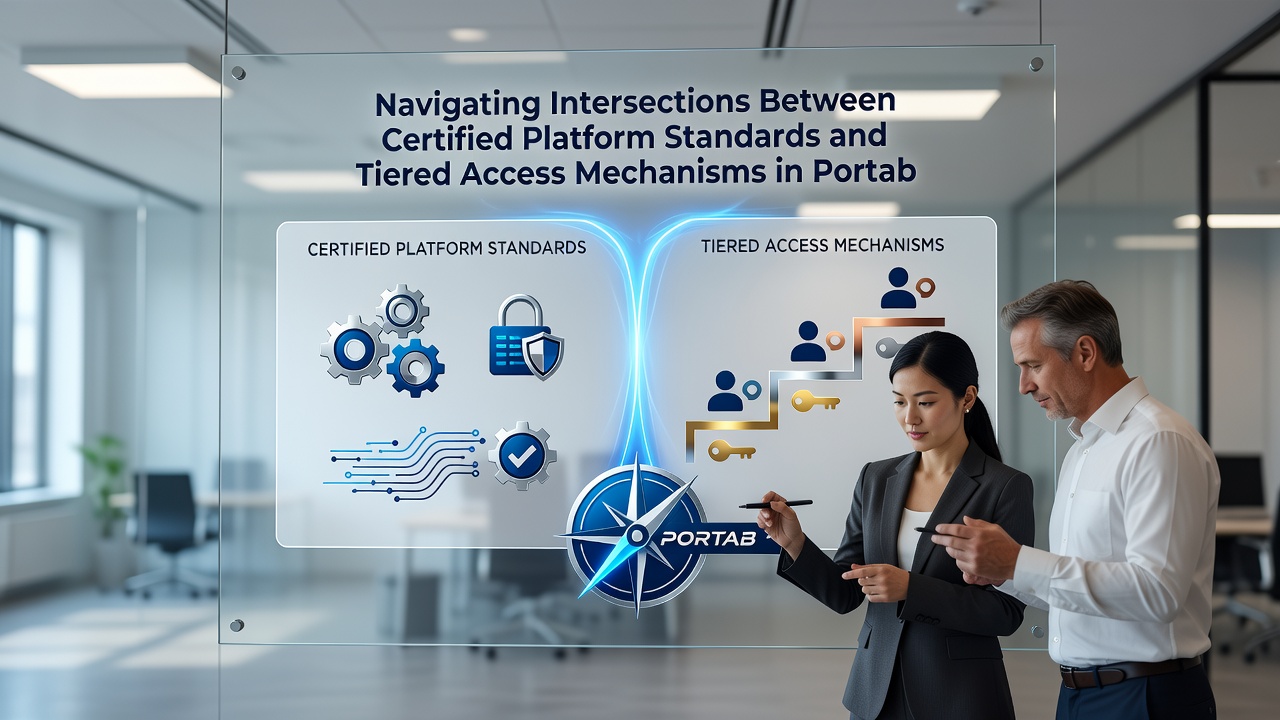
Regional differences further complicate navigation, as certification bodies in Asia apply distinct technical benchmarks compared with those enforced in South America or Africa. One industry report prepared by a consortium of European gaming associations highlights that portable titles targeting multiple markets often maintain parallel certification dossiers, each calibrated to local tiered access expectations around parental controls and spending limits. Data indicates that titles achieving simultaneous certification across three or more regions in 2026 demonstrated 22 percent faster tier adoption rates among users aged 18 to 34.
Practical Examples from Recent Deployments
Take one studio that released a cross-platform action title in early 2026; the development team coordinated certification submissions with tier rollout schedules so that the base version passed platform review while premium battle-pass features remained locked until final approvals cleared. Observers tracking the launch noted that this sequencing prevented compliance violations and allowed the studio to activate higher access tiers within 48 hours of initial certification. Another case involved a puzzle game franchise that adjusted its subscription model after receiving feedback from classification authorities in Australia, where updated guidelines required explicit separation between free puzzle packs and paid progression systems. The adjustments preserved the title's certified status while expanding tier options for existing users.
Emerging Trends and Forward Outlook
Platform operators continue to integrate machine-learning systems that predict certification outcomes based on proposed tier configurations, reducing manual review workloads. Research indicates these predictive tools achieved 85 percent accuracy in trial programs conducted through mid-2026. Industry groups across Canada and the United States have begun publishing joint guidance documents that outline best practices for aligning certification timelines with tiered access launches, aiming to minimize friction for developers operating in multiple jurisdictions. As portable hardware evolves to include more advanced biometric authentication, certification standards are expected to incorporate additional verification layers that further refine how access tiers are granted or revoked.
Conclusion
Certified platform standards and tiered access mechanisms function as interconnected components within portable gaming ecosystems, where each influences the deployment speed, regional availability, and user experience of the other. Data from multiple industry and academic sources demonstrates that coordinated management of these elements supports smoother platform operations and broader market reach. Developers and platform providers who map certification requirements against access tier plans early in the production cycle position themselves to respond effectively to evolving technical and regulatory conditions.