Payment Verification Pathways Shaping VIP Progression in Mobile Live Gaming Platforms
Written by Katja Berger · Jul 7, 2026
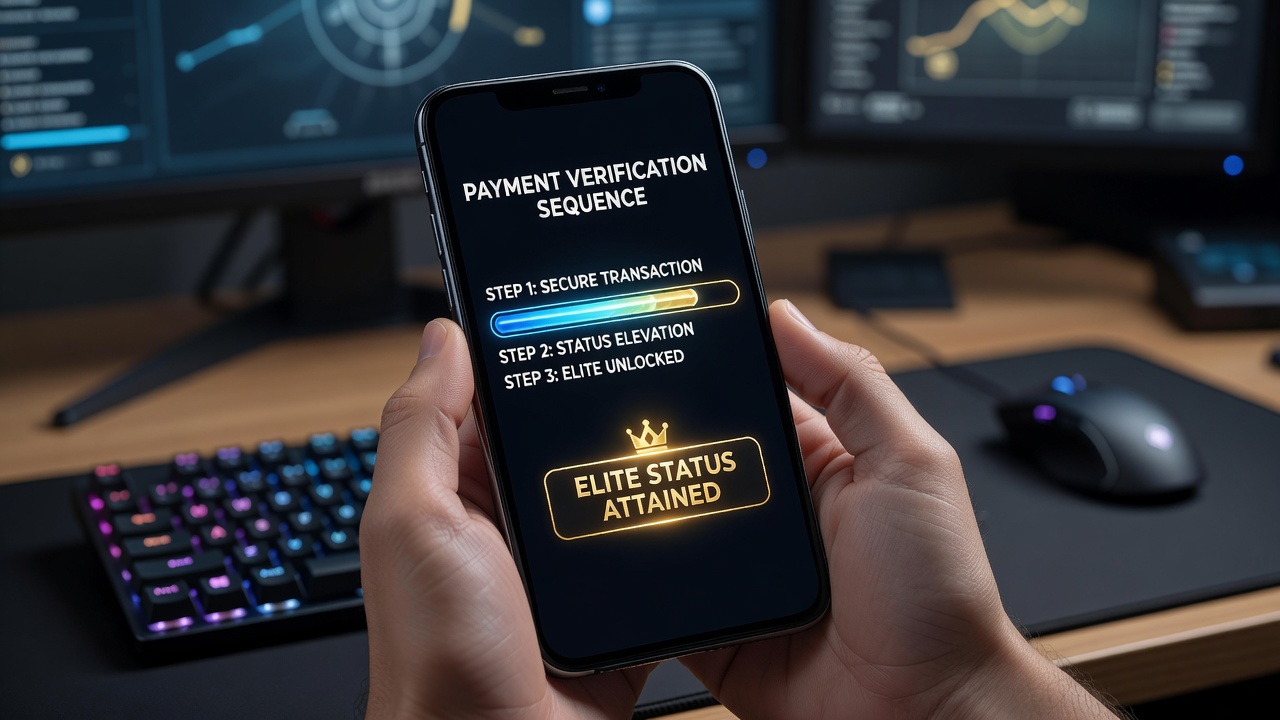
Payment Verification Pathways Shaping VIP Progression in Mobile Live Gaming Platforms
Payment verification sequences form a core mechanism in handheld live gaming applications where operators confirm transaction details before advancing users toward higher reward tiers. These sequences typically involve multiple authentication steps that include identity confirmation, transaction history review, and compliance checks with regional gaming regulations. Data from industry reports shows that platforms using streamlined verification reduce the time to elite status by integrating automated systems that process deposits in real time.
Operators in various markets apply these sequences differently based on local oversight. For instance, systems in North American jurisdictions often require sequential approvals that link payment methods to account activity before unlocking live dealer privileges or tiered rewards. According to figures from the New Jersey Division of Gaming Enforcement, verified payment pathways accounted for measurable shifts in player advancement rates during the first half of 2026.
Core Components of Verification Sequences
Verification begins with initial deposit authorization that cross-references user details against regulatory databases. Subsequent layers examine transaction frequency and amounts while confirming adherence to anti-money laundering protocols. Handheld applications frequently employ multi-factor authentication that combines device data with payment provider confirmations to accelerate progression toward elite tiers.
Research indicates that applications incorporating these layered checks see higher completion rates for VIP qualification. Those who've examined platform metrics note that delays in any sequence step can extend the timeline for reward access by several days. Yet efficient sequences that combine biometric options with instant bank transfers often shorten this period substantially.
Regional Regulatory Influences on Verification
Regulatory frameworks across regions dictate how payment sequences interact with status attainment. In Australian markets, operators follow guidelines from state-level commissions that mandate documented verification trails before granting live table access or bonus escalations. Canadian provincial regulators similarly emphasize sequential payment reviews that tie directly to player tier movements in mobile environments.
July 2026 saw updates in several jurisdictions where authorities refined verification timelines to align with emerging digital payment standards. These adjustments influenced how applications route deposits through verification nodes while maintaining compliance. Industry associations tracking these changes report that aligned sequences support smoother transitions to premium live gaming features.
Impact on Elite Status Pathways
Elite status in these applications often hinges on cumulative verified activity rather than isolated transactions. Payment sequences that validate recurring deposits enable faster accumulation of points needed for higher tiers. Observers note that platforms integrating direct verification with live dealer sessions allow users to meet activity thresholds during active play periods.

Studies from academic sources on digital gaming economics reveal correlations between verification speed and tier advancement frequency. Applications that minimize manual interventions in sequences demonstrate elevated rates of users reaching elite levels within set timeframes. Those examining user data across multiple platforms find that consistent verification flows reduce friction points that otherwise interrupt progression.
Technical Integration in Handheld Systems
Modern handheld live gaming platforms embed verification modules within their core architecture to handle real-time payment processing. These modules connect with external financial networks while applying internal algorithms that flag anomalies before they affect status calculations. Developers design the sequences to operate seamlessly across operating systems without interrupting live dealer interactions.
Evidence from platform analyses shows that integrated verification supports both security standards and reward distribution. When sequences complete without interruption, users gain immediate visibility into their updated tier standings. Regulatory bodies in multiple regions continue to monitor these integrations to ensure they meet established compliance benchmarks.
Future Developments in Verification and Status Systems
Advancements in payment technology point toward further refinements in how sequences influence elite attainment. Emerging tools such as tokenized transactions and enhanced biometric layers could compress verification timelines while preserving regulatory alignment. Trade organizations monitoring the sector highlight ongoing trials that test these enhancements in live mobile environments.
Conclusion
Payment verification sequences continue to serve as foundational elements that shape access to elite status within handheld live gaming applications. Through structured authentication steps tied to regulatory requirements, these sequences determine the pace and feasibility of tier progression across different markets. Data from governmental and industry sources confirms their ongoing role in facilitating verified activity that leads to premium features and rewards. As platforms evolve their technical integrations, the connection between payment flows and status attainment remains a measurable aspect of mobile gaming operations.