Partnership Networks Connecting Game Developers and Platform Providers in Digital Casino Growth
Written by Amir Powell · Aug 23, 2026
Partnership Networks Connecting Game Developers and Platform Providers in Digital Casino Growth
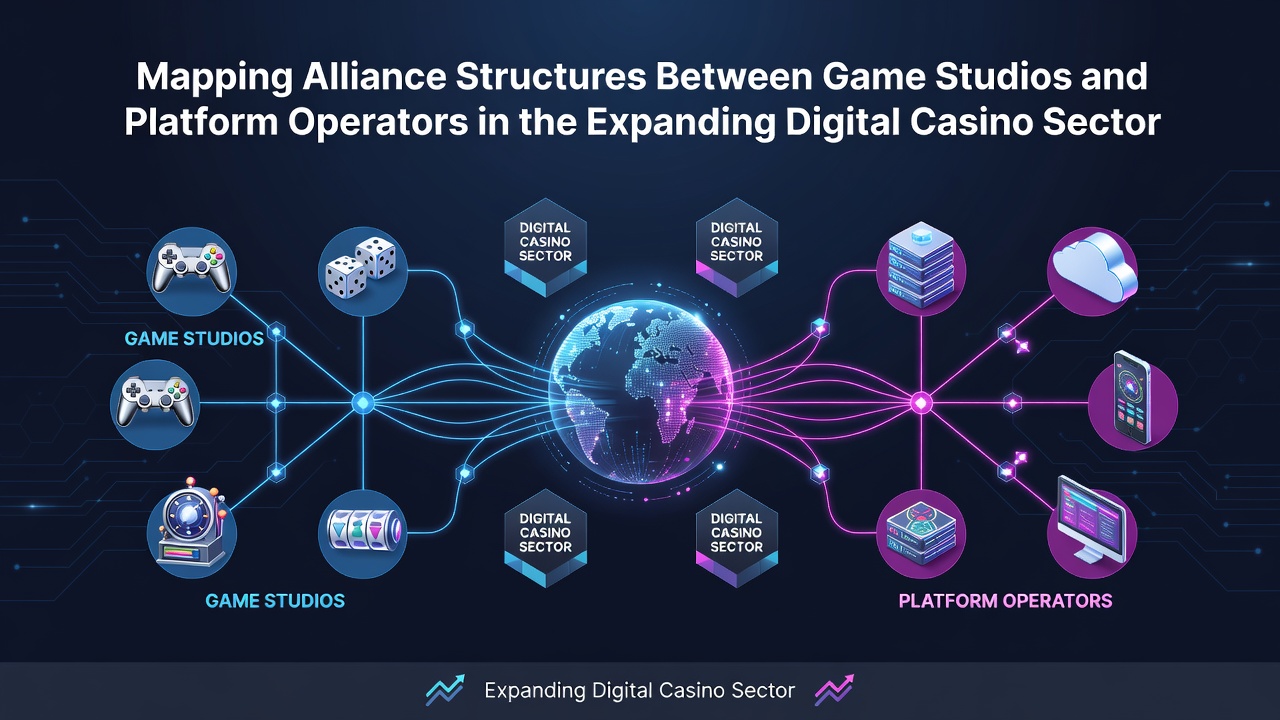
Partnership networks in the digital casino sector have evolved through repeated rounds of integration between specialized game studios and larger platform operators, and data from industry tracking services shows these connections often determine how new titles reach players across multiple jurisdictions. Observers note that studios typically supply content while operators handle distribution, payment processing, and regulatory compliance, yet the exact mapping of these relationships shifts as markets expand into new regions during 2026.
Core Elements of Studio-Operator Alliances
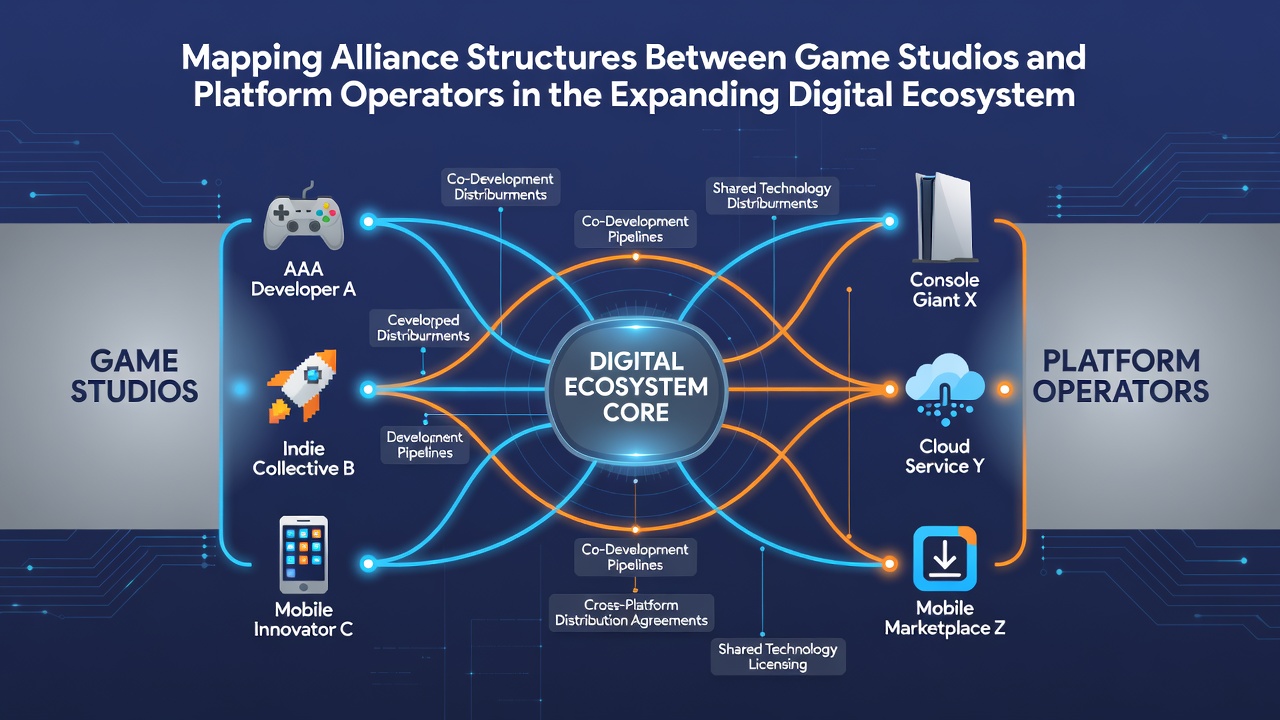
Alliance structures range from simple content licensing agreements to deeper joint ventures that include shared technology platforms and revenue-sharing models, and researchers tracking these arrangements find that longer-term contracts frequently include clauses covering data analytics, player retention tools, and cross-border compliance updates. Game studios such as those focused on live dealer formats or progressive jackpot systems enter agreements that specify integration timelines, and platform operators in turn commit to visibility guarantees within their app ecosystems.
Those who study these patterns report that vertical integration appears when operators acquire smaller studios outright, whereas horizontal partnerships allow independent developers to maintain creative control while gaining access to aggregated player bases. Figures released by regulatory bodies in several U.S. states reveal that approved alliances have increased the number of available game titles by double-digit percentages year over year through mid-2026.
Regional Variations in Partnership Models
In North American markets, alliance maps often show direct links between studios and state-licensed operators, with Michigan and Pennsylvania examples illustrating how platform providers negotiate separate deals for each jurisdiction to meet local technical standards. European arrangements, by contrast, frequently route through aggregator layers that connect multiple studios to operators under a single technical interface, and reports from the European Gaming and Betting Association document how these aggregator nodes reduce integration costs for smaller studios entering new countries.
Australian and Asian-Pacific operators have adopted hybrid models that combine local content requirements with international studio partnerships, and data compiled by state regulators in New South Wales indicates rising numbers of multi-year framework agreements signed in the first half of 2026. These agreements commonly address currency handling, language localization, and responsible gaming feature implementation as single contract items rather than separate negotiations.
Technology and Compliance as Binding Factors
Shared technology standards serve as the practical glue holding most alliances together, and platform operators that maintain certified remote gaming servers attract studios seeking streamlined certification processes across multiple markets. Compliance teams on both sides coordinate on security audits, random number generator testing, and anti-money laundering protocols, while contract language increasingly references specific technical appendices that update automatically when new regulations take effect.
Studies from academic research centers focused on gambling policy note that alliances incorporating real-time monitoring dashboards tend to secure regulatory approvals faster than those relying on periodic manual reporting. In August 2026, several platform operators announced expanded dashboard integrations with studios, allowing simultaneous visibility into player behavior metrics that satisfy both commercial and oversight requirements.
Case Examples of Recent Alliance Formations
One documented case involves a European studio entering a multi-territory content deal with a North American operator group that already maintained licenses in three states, and the resulting integration added dozens of new titles to operator libraries within a single calendar quarter. Another arrangement saw an Asian-Pacific platform provider acquire a minority stake in a live-game studio, granting the studio priority placement on the operator's mobile apps in exchange for exclusive regional content windows.
Trade association tracking shows that such mixed equity and licensing deals have become more common as operators seek to lock in supply while studios gain capital for expanding development teams. Observers tracking contract filings note that termination clauses in these agreements now often reference mutual compliance failures rather than simple revenue thresholds.
Conclusion
Alliance mapping between game studios and platform operators continues to shape how digital casino markets expand, with contract structures, technology standards, and regulatory coordination determining which content reaches which players. Data from multiple jurisdictions demonstrates measurable growth in approved partnerships through 2026, and further shifts appear likely as additional regions finalize licensing frameworks. These networks remain central to operational scale in the sector.