Mobile Verification Systems Routing Free Play to Live Tables and Reward Tiers
Written by Amir Powell · Jul 12, 2026
Mobile Verification Systems Routing Free Play to Live Tables and Reward Tiers
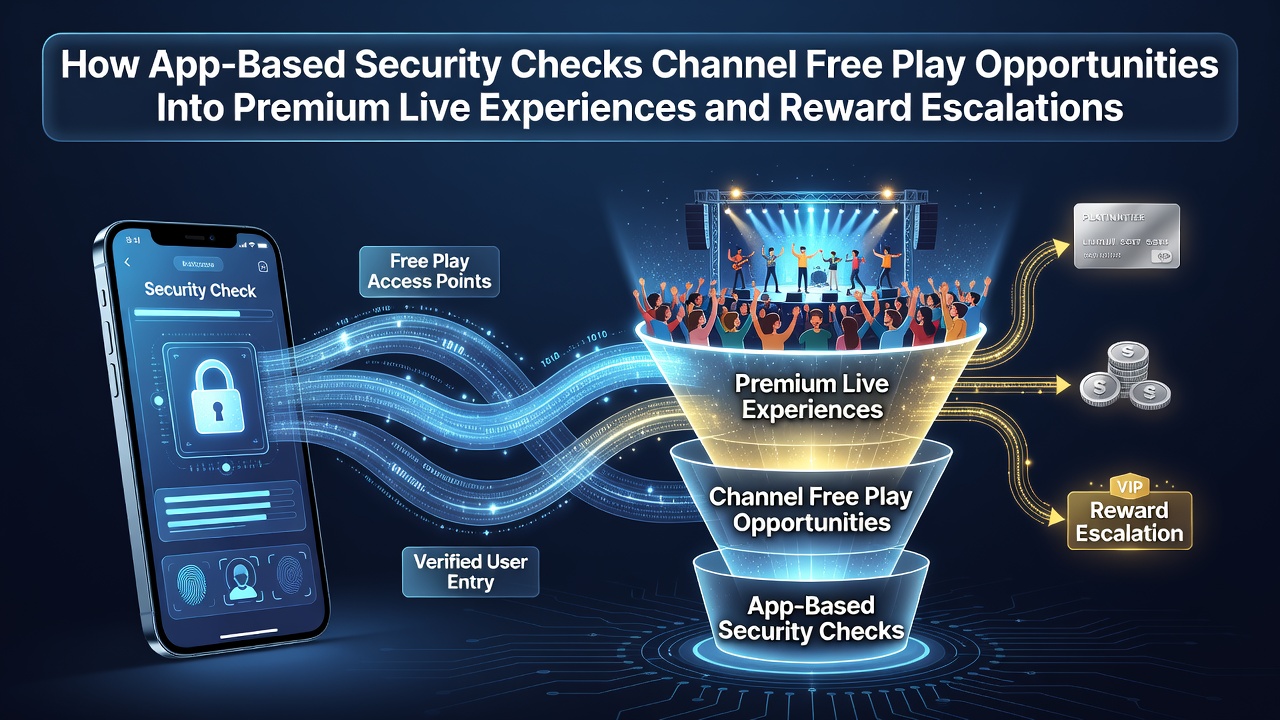
App-based security checks operate as gatekeepers that authenticate user identities before unlocking free play features in mobile gaming platforms, and these same protocols often guide verified accounts toward premium live dealer sessions while triggering structured reward escalations. Data from industry reports shows that platforms integrate multi-factor authentication and device fingerprinting to confirm eligibility, which reduces fraudulent claims and creates clear pathways from initial free spins or credits to higher-stakes live table environments.
Verification Layers and Incentive Pathways
Security protocols begin with basic account registration that collects identification documents and payment details, after which automated systems cross-reference this information against regulatory databases to assign trust scores. Players who complete these steps gain immediate access to free play opportunities, yet the same verification status simultaneously qualifies accounts for live dealer upgrades that require confirmed identities under state and federal guidelines. Research indicates that platforms in regulated markets such as New Jersey and Pennsylvania link verification completion directly to tiered reward structures, where each additional security checkpoint unlocks incremental benefits including bonus credits and priority seating at live tables.
Device-level checks further refine these pathways by analyzing IP addresses, operating system integrity, and behavioral patterns during free play sessions, and operators use this data to flag accounts that demonstrate consistent engagement for escalation to premium experiences. Those who've studied platform architectures note that seamless wallet integrations allow free play winnings to transfer directly into live gaming balances once security thresholds are met, eliminating manual reviews that previously delayed access.
Live Dealer Transitions and Security Integration
Live dealer environments demand higher security standards because they involve real-time video streams and interactive betting, so apps enforce additional biometric or facial recognition steps before permitting entry from free play modes. This layered approach ensures that only authenticated users reach these experiences, while reward systems automatically escalate based on verified play history and compliance records. Figures from regulatory filings reveal that mobile platforms processed increased volumes of free-to-live transitions during the first half of 2026, with July data highlighting a measurable uptick in accounts moving from introductory spins to live roulette and blackjack tables after completing enhanced verification.

Operators coordinate these escalations through centralized player management systems that track verification status alongside activity metrics, and this integration allows reward algorithms to prioritize live table access for accounts that maintain clean security profiles. External links to resources such as the New Jersey Division of Gaming Enforcement reports and the American Gaming Association studies illustrate how compliance frameworks support these transitions without interrupting user flow.
Reward Escalation Mechanics
Reward structures tie directly to security milestones, so accounts that pass initial checks receive base-level free play while subsequent verifications activate loyalty multipliers and exclusive live event invitations. Observers note that these mechanics encourage sustained platform use because each completed security layer corresponds with tangible benefits such as higher withdrawal limits and personalized live dealer promotions. Platforms employ real-time monitoring to adjust reward offers based on ongoing security assessments, which prevents abuse while directing legitimate users toward premium content.
Case examples from multiple operators demonstrate that users who engage free play under verified conditions show higher retention rates when funneled into live experiences, and the reward escalations often include progressive jackpot eligibility that requires full security compliance. Data indicates these systems operate consistently across iOS and Android environments, with cross-device verification ensuring continuity as players shift between free and premium modes.
Regulatory Context in Mid-2026
Updates in July 2026 reflected ongoing refinements to mobile gaming regulations that emphasize secure incentive routing, particularly in states expanding live dealer offerings through app channels. These developments align with broader industry efforts to standardize verification processes that support both free play accessibility and controlled access to higher-value experiences. Platforms adapt their security architectures accordingly, maintaining compliance while preserving fluid transitions that keep players engaged across different gaming formats.
Conclusion
App-based security checks establish structured routes that convert free play opportunities into verified live dealer access and escalating rewards through interconnected verification and monitoring systems. Regulatory data and operational reports confirm these mechanisms function across multiple jurisdictions, supporting compliant growth in mobile gaming while directing incentives toward premium experiences based on verified account status.