Interface Pathways Directing Bonus Access in Secure Mobile Wagering Platforms
Written by Viktor Werner · Aug 13, 2026
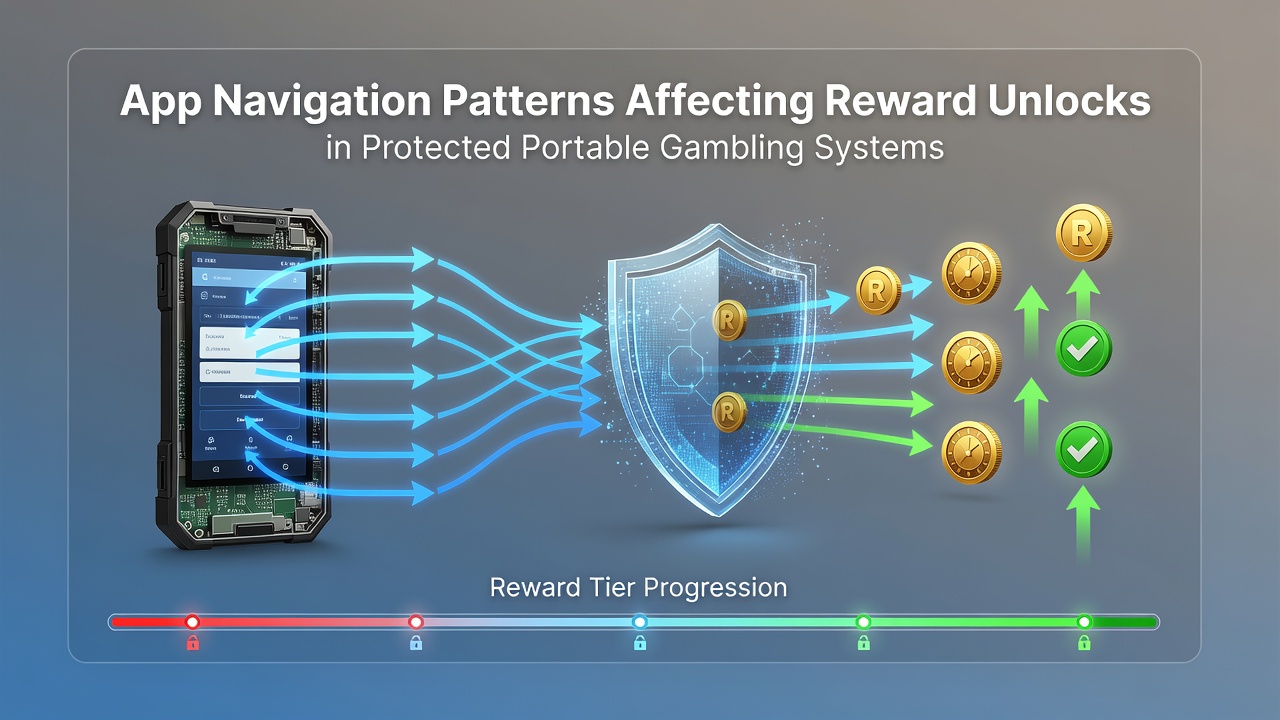
Interface Pathways Directing Bonus Access in Secure Mobile Wagering Platforms
App navigation patterns play a central role in how users access rewards within protected portable gambling systems, with developers structuring menus, gestures, and transition sequences to balance security protocols and user progression. Data from regulatory bodies shows that streamlined pathways often correlate with faster reward activation while layered verification steps maintain compliance standards across different jurisdictions.
Core Navigation Elements in Mobile Gambling Apps
Designers typically organize app interfaces around hierarchical menus that guide players from account dashboards to specific game sections, and those structures directly influence when reward systems trigger unlocks. For instance, swipe-based navigation combined with tabbed interfaces allows quicker movement between deposit verification and bonus claim areas, whereas deeper nested menus introduce deliberate pauses that align with security checks. Observers note that in August 2026 several platforms updated their layouts to incorporate predictive loading, which anticipates user paths and pre-validates reward eligibility before a player completes the final gesture or tap.
Studies indicate that gesture controls such as long-press actions or multi-finger swipes can serve dual purposes by confirming user intent while simultaneously initiating background authentication routines. This integration reduces separate login steps yet preserves the integrity of protected environments. Researchers have documented cases where simplified bottom navigation bars increased the rate of reward redemptions because players encountered fewer decision points before reaching unlock prompts.
Security Integration Within Flow Designs
Protected portable systems embed encryption and identity verification into navigation sequences rather than treating them as separate stages, so reward unlocks depend on successful passage through these embedded checkpoints. According to figures from iGaming Ontario, apps that weave biometric prompts into swipe transitions saw higher completion rates for tiered reward programs compared with those requiring separate pop-up confirmations. The placement of these checkpoints along common user routes determines whether players experience fluid progression or encounter friction that delays access to spins, credits, or VIP tier advancements.

Platform operators adjust menu depth and transition timing based on risk profiles assigned to individual accounts, meaning higher-security users encounter additional verification layers within the same navigation pattern used by standard accounts. This adaptive approach keeps overall interface consistency while directing reward availability according to compliance requirements. Data from the New Jersey Division of Gaming Enforcement reveals that platforms employing such contextual navigation adjustments reported stable reward distribution metrics even as player volumes rose during summer 2026 periods.
Impact on Reward Unlock Timing and Eligibility
Navigation patterns affect not only the speed of reward access but also the conditions under which eligibility is confirmed, since certain flows trigger real-time balance checks or playthrough verifications before displaying unlock options. Shorter pathways from deposit screens to game lobbies tend to accelerate initial bonus releases, while routes that pass through live dealer sections may unlock higher-value rewards after satisfying additional engagement criteria. Those who analyze user behavior logs find that players following linear tab sequences reach reward screens more consistently than those navigating through search or recommendation widgets that introduce variable steps.
Industry reports highlight that progressive reward systems often tie unlock thresholds to navigation milestones, such as visiting a set number of game categories or completing specific swipe sequences within a session. These mechanics encourage exploration without compromising the protected nature of the platform, and they allow operators to distribute incentives in a controlled manner aligned with regulatory expectations.
Conclusion
Navigation patterns in protected portable gambling systems continue to evolve as developers refine how interface flows intersect with security requirements and reward mechanics. By embedding verification within natural user movements and adjusting pathways according to account profiles, platforms maintain both accessibility and compliance. Information from regulatory sources demonstrates measurable effects on reward unlock rates tied directly to these design choices, underscoring the technical relationship between app structure and incentive delivery across mobile environments.