Decoding Reward Chains: How Safety Assessments Direct Spin Allocations and Elite Benefits in App-Based Casino Play
Written by Amir Powell · May 21, 2026
Decoding Reward Chains: How Safety Assessments Direct Spin Allocations and Elite Benefits in App-Based Casino Play
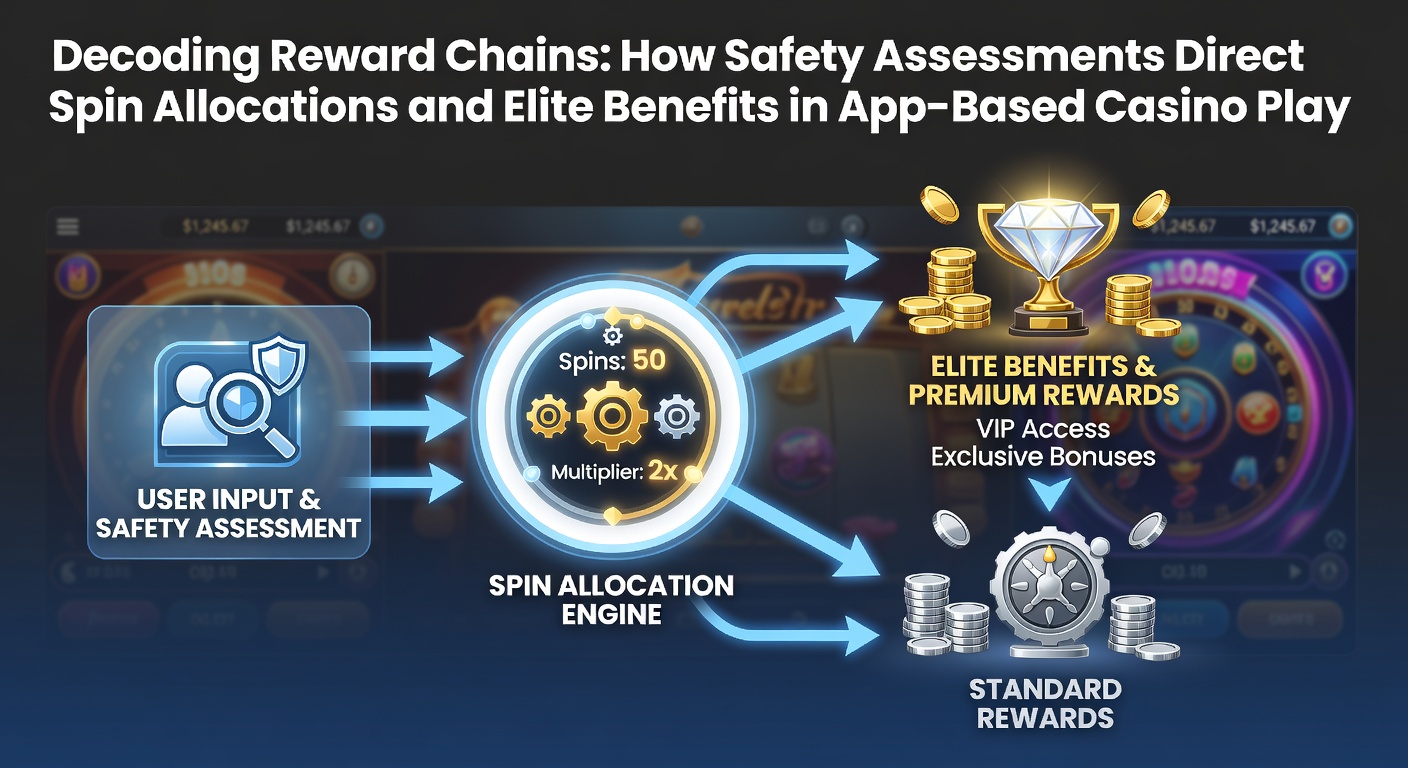
App-based casino platforms rely on layered safety assessments that evaluate user behavior, device security, and account history before releasing spin allocations or elevating players to elite benefit tiers, and these evaluations operate through automated protocols that adjust reward distribution in real time. Researchers at several gaming analytics firms note that safety scores incorporate factors such as encryption strength, transaction velocity, and login patterns, which then feed directly into algorithms determining whether a player receives standard free spins or accelerated VIP pathways. Data from industry monitoring services shows that platforms in regulated markets process millions of such assessments daily, with allocation decisions completed in under two seconds for most users.
Safety Metrics That Shape Spin Distribution
Operators integrate multi-factor verification systems that score each session on a scale reflecting compliance with regional standards, and higher scores unlock denser clusters of spins while lower scores trigger manual reviews or reduced offers. Studies from university gaming research groups indicate that a player maintaining consistent verified mobile wallets and avoiding rapid deposit patterns typically sees spin packages increase by 15 to 30 percent within the first month of activity. Those who trigger additional security prompts, however, often experience temporary holds that delay elite benefit activation until the system re-evaluates risk parameters.
Regional Regulatory Influences on Assessment Protocols
Regulatory frameworks in North America and parts of Europe require documented audit trails for every reward decision, which forces platforms to log safety assessment outcomes alongside spin allocations. According to reports published by the New Jersey Division of Gaming Enforcement, operators must demonstrate that bonus distribution remains proportional to verified player risk profiles, and non-compliance can result in suspended licensing for affected titles. In contrast, Australian oversight bodies emphasize consumer protection metrics that tie spin frequency limits to account verification status, creating parallel but distinct reward chains across jurisdictions.
Elite Benefit Pathways and Their Connection to Security Layers
VIP programs in mobile casino applications advance players through tiers once cumulative safety assessments exceed predetermined thresholds, and these thresholds incorporate both financial activity and technical safeguards such as biometric confirmation or hardware token usage. Observers tracking platform data note that users reaching gold or platinum status frequently receive personalized spin multipliers and priority withdrawal processing, yet these perks activate only after the system confirms ongoing adherence to security protocols. One documented case from a major European operator revealed that a cohort of 2,400 players advanced to elite status within six weeks when their average safety score rose above 85 out of 100, while comparable users with fluctuating scores remained at base reward levels.
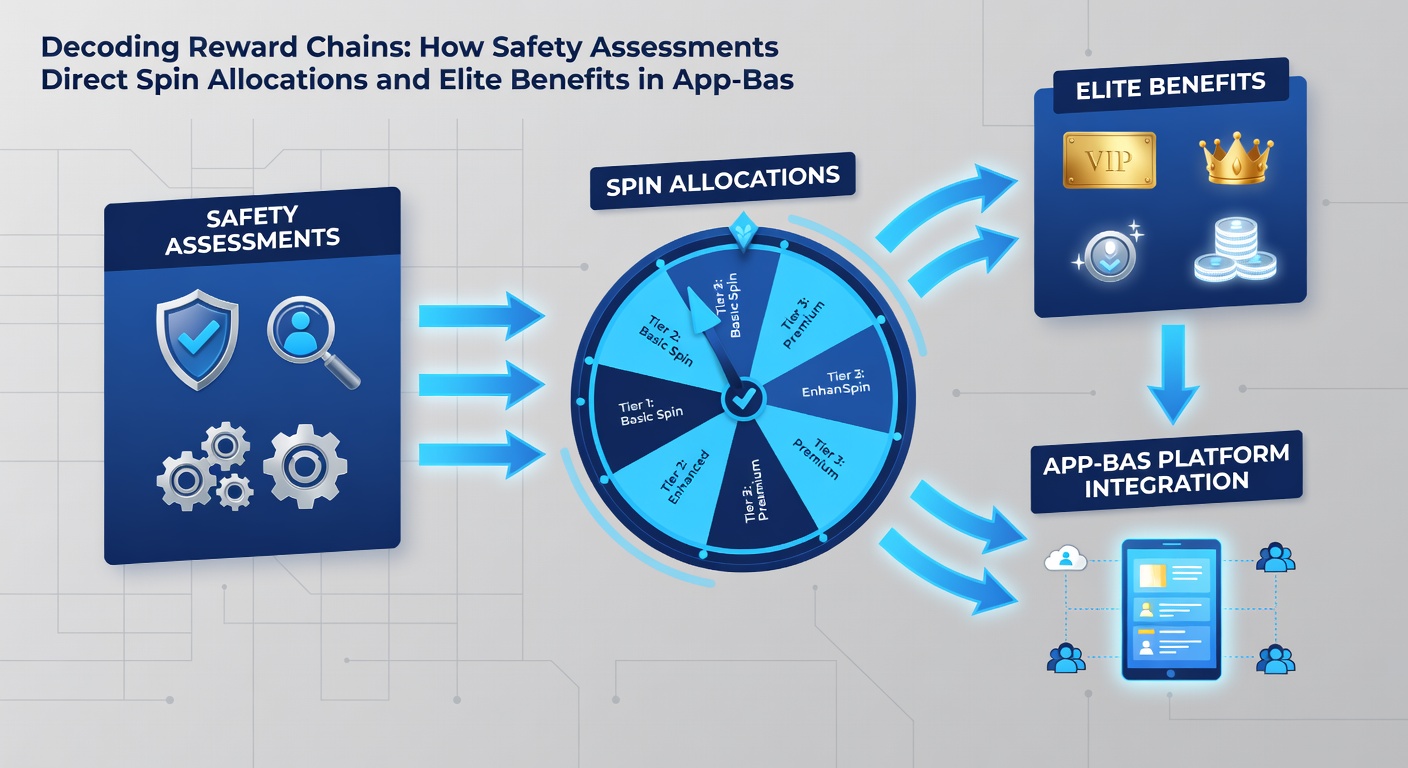
Payment protocol strength also factors into the calculation, since platforms cross-reference transaction encryption levels with reward eligibility rules. Figures released by the Canadian Gaming Association in early 2026 illustrate that accounts utilizing approved digital wallets processed elite benefit upgrades 22 percent faster than those relying on legacy card methods during the preceding quarter.
Algorithmic Adjustments Observed in May 2026
Platform updates rolled out in May 2026 introduced dynamic weighting that prioritizes device-level security certifications when calculating spin volume for returning users, and this shift aligns with broader industry moves toward standardized mobile security benchmarks. Analysts reviewing post-update metrics found that players whose applications passed updated certification checks received immediate access to expanded spin libraries, whereas those requiring additional verification steps encountered staggered release schedules. The change affected reward chains across both slot and live dealer environments without altering base game mathematics.
Case Examples from Operational Platforms
Take one North American operator that adjusted its internal scoring model after reviewing six months of transaction logs; the revision directed larger spin allocations toward accounts demonstrating stable multi-device authentication patterns. Researchers monitoring the outcome reported that average daily spin redemption rates rose among verified users while overall dispute volumes declined, suggesting tighter alignment between safety assessments and reward delivery. Another example involves a smaller European platform that linked biometric login frequency directly to VIP milestone progression, resulting in faster tier advancement for users who enabled the feature within the first seven days of registration.
Integration of Third-Party Verification Services
Many applications now embed external verification partners that supply independent safety ratings, and these ratings feed into the same decision engines controlling spin releases and elite benefit gates. Academic papers examining this integration highlight how cross-referenced data from credit bureaus and device registries reduce instances of reward misallocation. Platforms incorporating such services report fewer manual interventions, which in turn accelerates the overall reward chain for compliant users across different geographic markets.
Conclusion
Safety assessments function as the central control mechanism for spin allocations and elite benefit distribution within app-based casino environments, with each evaluation drawing on regulatory requirements, technical safeguards, and behavioral indicators to determine reward eligibility. Platforms continue refining these systems in response to evolving compliance standards and technological capabilities, and data collected through 2026 demonstrates measurable connections between verified security profiles and accelerated access to premium features. Observers tracking these developments note that transparent assessment criteria ultimately support more predictable reward pathways for users operating within established regulatory frameworks.