Connecting Verification Frameworks with Reward Mechanisms in Mobile Live Table Environments
Written by Katja Berger · Jun 11, 2026
Connecting Verification Frameworks with Reward Mechanisms in Mobile Live Table Environments
Wireless live table environments rely on layered authentication processes that determine when players receive access to tiered rewards, and these connections have grown more intricate with the expansion of mobile platforms through June 2026. Security checks begin with identity confirmation, payment validation, and device registration, each step feeding directly into systems that release bonuses, loyalty points, or table privileges once thresholds are met.
Core Components of Verification Protocols
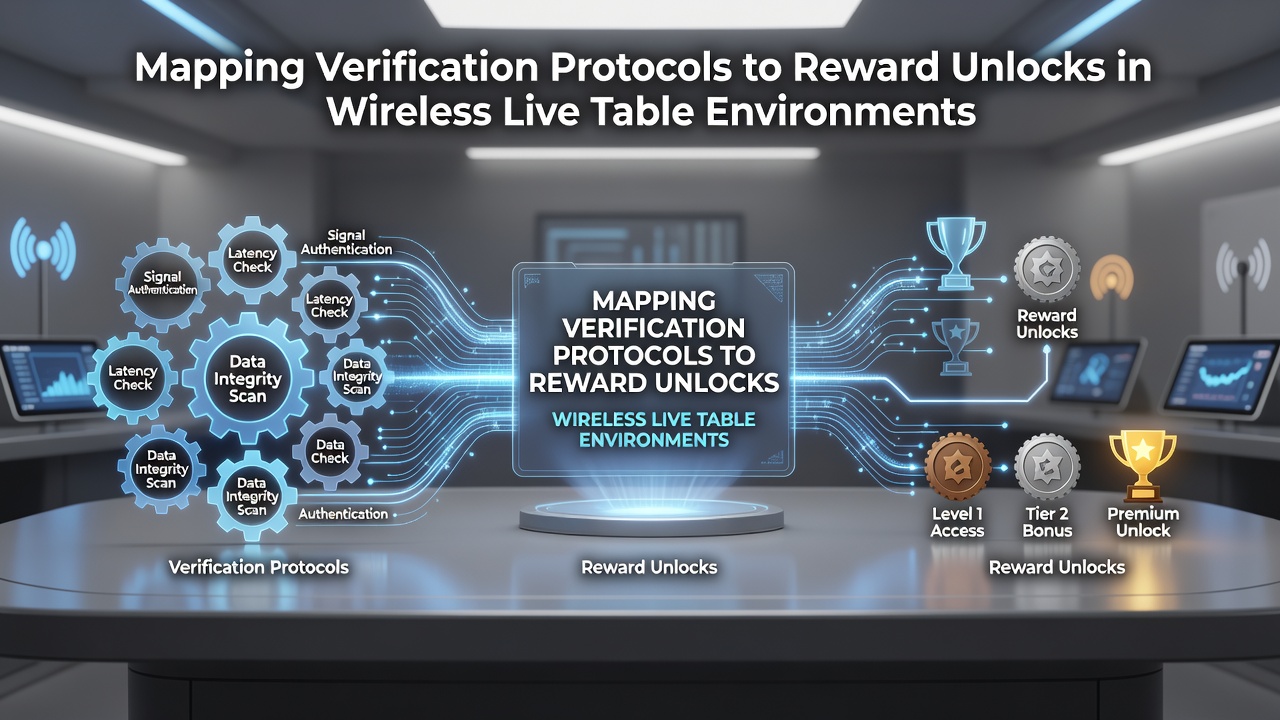
Verification protocols typically include know-your-customer procedures, multi-factor authentication, and real-time transaction monitoring, while reward unlocks occur through automated scripts that reference completion of those same checks. Operators map each protocol stage to specific incentives so that successful identity approval might trigger an initial deposit match, and subsequent device binding can activate higher-stakes table access. Data from regulatory filings shows that such mappings reduce manual reviews by integrating API calls between security modules and loyalty engines.
Researchers have documented how biometric elements, such as facial recognition or fingerprint scans, accelerate progression along these pathways in wireless settings. When a player completes a biometric step, the system records the event and adjusts reward eligibility without requiring additional input, which streamlines movement from basic spins to live dealer privileges. Observers note that this direct linkage minimizes latency in environments where table games demand immediate session continuity.
Technical Mapping in Practice
Developers implement conditional logic that ties verification outcomes to reward databases, using flags and timestamps to track progress across sessions. For instance, once a player passes initial deposit verification, the platform unlocks a progressive loyalty tier that applies to live roulette or blackjack tables accessed via mobile networks. Industry reports indicate that these mappings often incorporate geolocation data as an additional layer, ensuring that reward activation aligns with jurisdictional requirements.
Payment gateway confirmations serve as another checkpoint that feeds reward systems, and successful processing can immediately credit elite status points or unlock private table invitations. Experts have observed that platforms employing blockchain-based ledgers for these transactions achieve faster reconciliation between verification events and reward distributions, particularly in cross-device scenarios.
Regulatory Influences on Protocol Design
Regulatory bodies shape how verification protocols connect to reward mechanisms, with guidelines from the New Jersey Division of Gaming Enforcement requiring clear documentation of each mapping step to prevent unauthorized access. Similar standards appear in frameworks issued by iGaming Ontario, where operators must demonstrate that reward unlocks occur only after documented security milestones. These rules encourage transparent logging that auditors can review during compliance checks.

Studies from the University of Nevada, Reno Center for Gaming Research highlight how operators adjust mapping rules in response to evolving security threats, such as account takeover attempts that target live dealer sessions. Adjustments often involve tightening device fingerprinting before higher-tier rewards become available, and the resulting data patterns help refine future protocol designs.
Case Examples from Operational Platforms
One large operator integrated its verification sequence with a dynamic reward engine that releases table-specific bonuses only after full multi-factor completion, and internal metrics revealed reduced chargeback rates following implementation. Another platform serving European markets adopted similar linkages after consulting guidelines from the Malta Gaming Authority, resulting in synchronized updates between security logs and player loyalty profiles.
Wireless environments introduce variables such as network handoffs and variable latency, yet the core mapping remains consistent because reward engines poll verification status at regular intervals. When a player switches from cellular to Wi-Fi mid-session, the system revalidates the connection before permitting continued reward accrual at live tables.
Future Developments in Mapping Accuracy
Advances in machine learning allow platforms to predict when a verification step is likely to succeed and pre-stage corresponding reward allocations, shortening the interval between approval and access. Figures from industry analyses suggest that predictive mapping could become standard by late 2026 as more operators adopt cloud-based orchestration tools.
Conclusion
The relationship between verification protocols and reward unlocks in wireless live table environments rests on precise technical linkages that satisfy both operational efficiency and regulatory oversight. As platforms refine these mappings through June 2026 and beyond, the emphasis remains on maintaining secure pathways that align authentication events with incentive releases across mobile networks.