App Frameworks Driving Changes in Reward Trigger Sequences and Tiered Table Mechanics for Mobile Gaming Systems
Written by Amir Powell · Aug 18, 2026
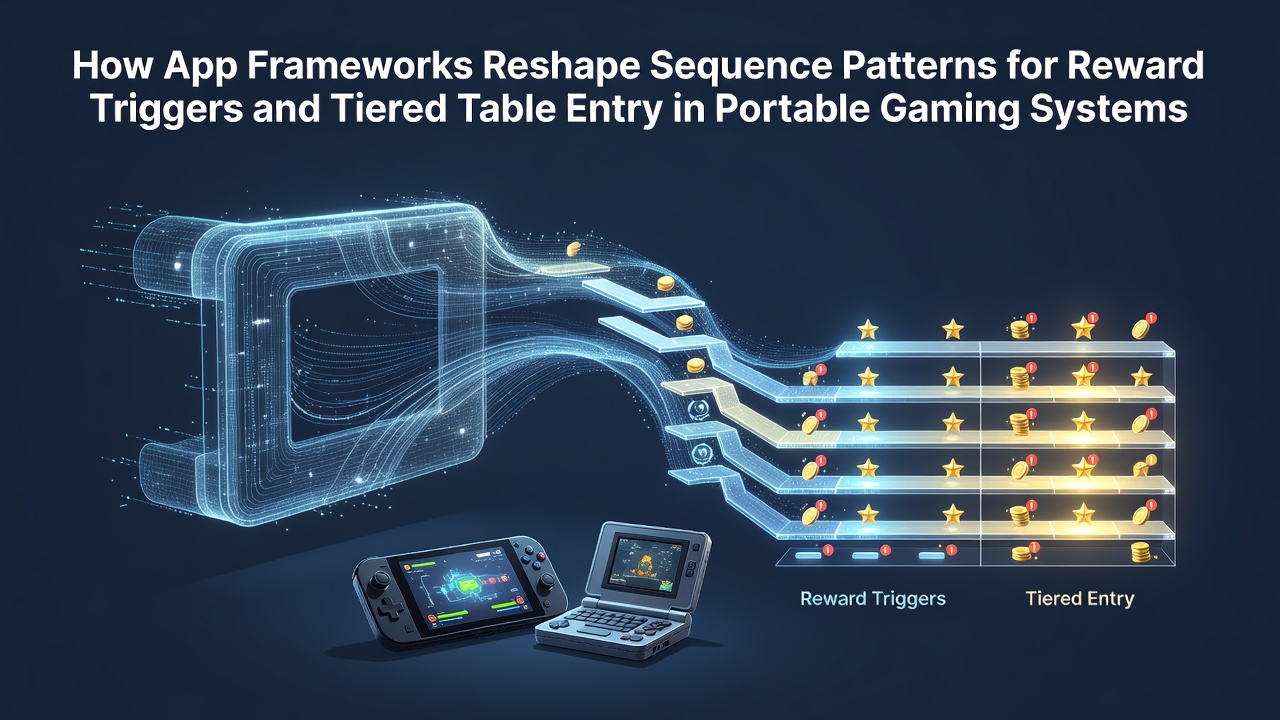
App Frameworks Driving Changes in Reward Trigger Sequences and Tiered Table Mechanics for Mobile Gaming Systems
Portable gaming systems rely on structured app frameworks that organize code, manage user interactions, and control progression elements such as reward triggers and tiered table entry points, and these frameworks have evolved substantially over recent development cycles. Developers use tools like Unity, Unreal Engine for mobile, and proprietary engines from major platforms to define how sequences unfold when players meet specific conditions for rewards, while tiered tables determine access levels based on accumulated metrics like playtime, achievements, or resource collection. Data from industry reports show that framework updates in 2025 and 2026 introduced modular event systems that allow dynamic adjustment of reward sequences without full recompilation, which reduces development time and enables real-time modifications across global user bases.
Core Mechanics of Sequence Pattern Adjustments
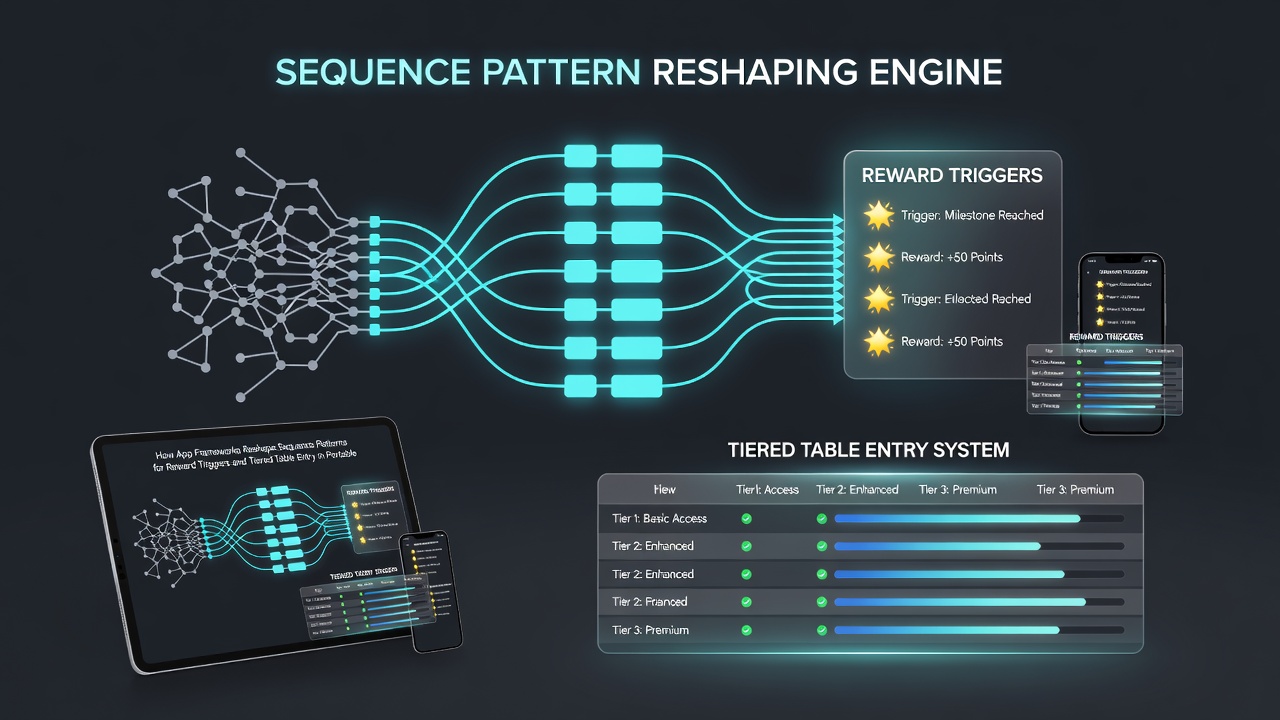
App frameworks reshape sequence patterns by implementing event listeners and state machines that process player actions in layered orders, and this approach replaces older linear scripting methods that required manual coding for each trigger. Researchers at institutions in the European Union documented how these changes permit conditional branching where a reward trigger activates only after multiple prior events complete in variable orders, and the same frameworks integrate analytics modules that track sequence completion rates across millions of sessions. According to figures released by the Entertainment Software Association in early 2026, adoption of such modular systems correlated with a measurable increase in session retention for titles using advanced reward chaining compared to those on legacy codebases.
Sequence patterns now incorporate randomized elements controlled by server-side parameters that frameworks pull at runtime, which allows publishers to test different trigger orders without pushing new app versions to stores. One study from a Canadian research group found that frameworks supporting asynchronous reward queues cut latency in tier advancement notifications by routing calculations through optimized background processes rather than blocking main game loops. This technical shift supports larger scale deployments where portable devices handle complex progression tables without performance drops on lower-end hardware.
Tiered Table Entry and Framework Integration
Tiered table entry systems benefit directly from framework components that manage data persistence and user segmentation, and these elements connect player profiles to eligibility checks that unlock new table levels upon reaching defined thresholds. Frameworks provide APIs for querying historical data and applying rulesets that scale with user volume, which enables seamless transitions between tiers without interrupting active play sessions. Observers note that updates rolled out around August 2026 emphasized cloud-synced tier tables that sync across devices, allowing players to resume at the correct progression point after switching hardware or operating systems.
Industry organizations including the Interactive Games and Entertainment Association in Australia reported that framework-driven tier systems improved accuracy in eligibility verification by integrating biometric and device fingerprinting methods alongside traditional account metrics. These integrations reduce entry conflicts where duplicate accounts might otherwise bypass intended progression gates. Developers apply the same architectures to handle seasonal events that temporarily alter tier requirements, and the underlying code remains consistent across updates because the framework abstracts the variable logic into configurable modules.
Performance Data and Regional Implementation Trends
Performance metrics collected through framework telemetry indicate faster load times for reward animations and tier status displays when developers migrate from monolithic code structures to component-based designs, and this holds across both iOS and Android ecosystems. A joint report from North American academic centers highlighted that games built on current frameworks achieved higher frame consistency during simultaneous reward processing and table entry checks, which matters for devices operating under thermal throttling conditions common in portable use. Regional differences appear in how frameworks incorporate local regulatory requirements for data handling within tier progression logs, with variations noted between implementations serving North American, European, and Asia-Pacific markets.
Frameworks also support A/B testing infrastructures that isolate specific sequence patterns and measure their effect on tier advancement speed, adn these tests run at scale because the underlying architecture separates content delivery from core game logic. Data compiled through 2026 shows continued refinement in how frameworks balance client-side and server-side processing to maintain fair tier entry across diverse network conditions. Portable gaming titles that adopted these methods recorded shifts in average time spent between tiers, with patterns varying by genre and target audience demographics tracked through anonymized aggregates.
Future Directions in Framework Capabilities
Developers continue to extend framework support for machine learning models that predict optimal reward sequence timing based on individual player histories, and these predictions feed directly into tier table adjustments without requiring manual rule updates. Integration with cross-platform toolkits ensures consistent behavior whether the game runs on dedicated handheld hardware or general-purpose smartphones, and testing protocols verify that sequence integrity holds during device handoffs. Reports from trade groups emphasize ongoing work on security layers within frameworks that protect tier data integrity against unauthorized modifications while preserving the flexibility needed for dynamic reward triggers.
Conclusion
App frameworks have established new standards for managing reward trigger sequences and tiered table entry in portable gaming systems through modular design, real-time data handling, and cross-device synchronization. Evidence from multiple regions and organizations confirms measurable impacts on development efficiency, player progression accuracy, and performance stability as of August 2026. These technical foundations continue to shape how portable gaming applications deliver structured experiences at scale.